
When the success of an industrial project depends on being able to rely on a subcontractor with reduced hourly costs, choosing the right location becomes strategic.
China, the giant of electronics production
The world leader in electronics production, China combines the advantages of a vast industrial infrastructure, an abundant workforce, and technical expertise built up over decades.
But the challenges related to intellectual property protection, geographical distance, and language and cultural barriers remain significant, especially in a context of growing geopolitical tensions and a push to reduce the carbon footprint of production. Moreover, labor costs are tending to rise: in 2000, the cost of a French worker equaled that of 30 Chinese workers, compared with just 7 in 2020.
Eastern Europe: proximity and technical expertise
Increasingly wary of China, many companies have turned to Eastern Europe. Countries such as Poland, the Czech Republic, and Hungary offer numerous advantages, including geographical proximity to Western markets and the presence of a skilled workforce. Access to financing and the arrangement of insurance contracts are also made easier by the common market.
However, communication can sometimes be hindered by language barriers and cultural differences. In addition, the wage gap needs to be put into perspective: in 2020, the cost of a French worker equaled that of 3 Polish workers.
Tunisia: the new “place to be”?
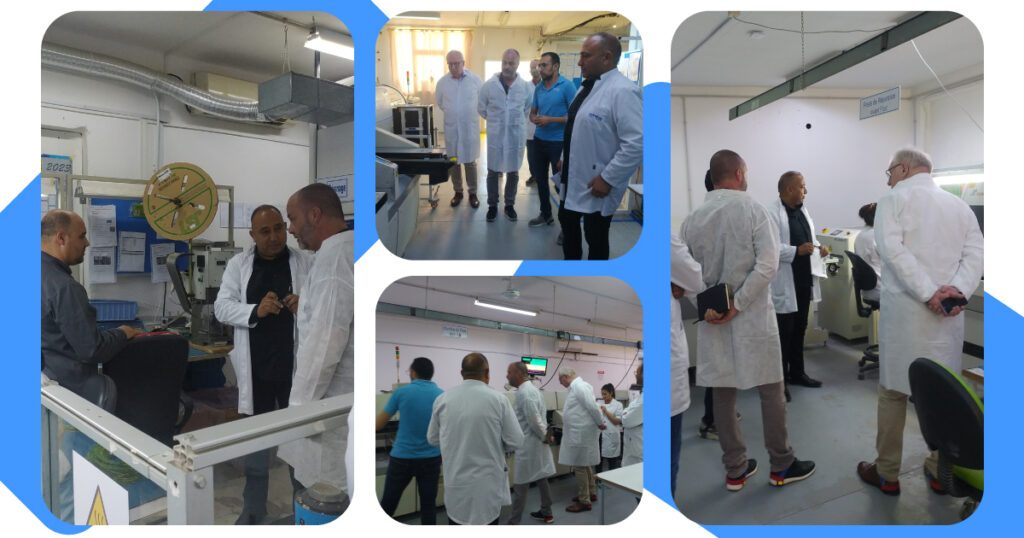
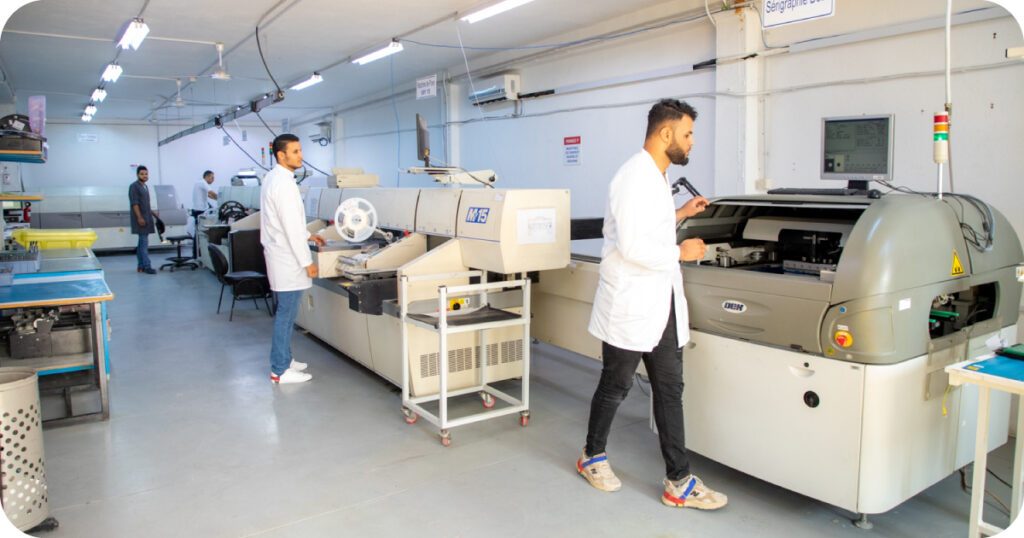
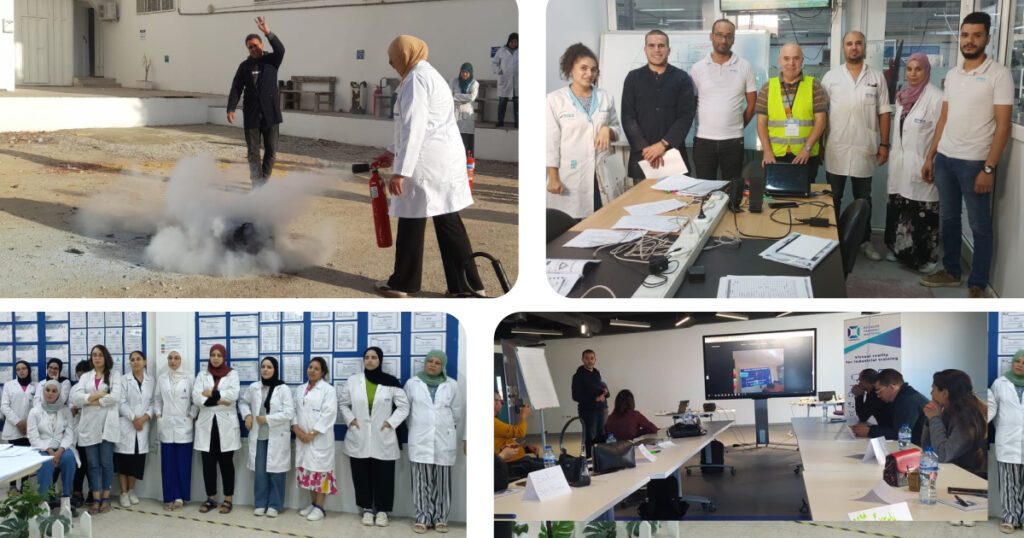
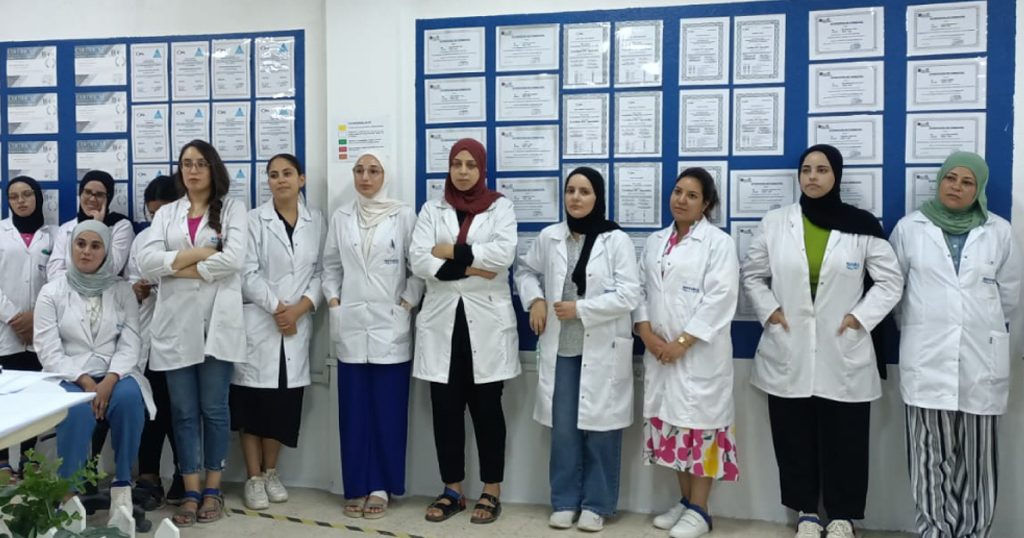
Backed by the Tunisian government, as reflected in the creation of the Elentica electronics industry cluster, Tunisia’s industry is developing with a focus on Europe. To do so, Tunisia relies on competitive costs (in 2020, the wage of a French worker equaled that of 7 Tunisian workers), a highly skilled workforce, and business contacts fluent in French! Geographically close (just two hours by air or under a week by sea to ship your products), Tunisia offers multiple advantages for manufacturers.
Emka Med, a winning partnership with Emka Electronique
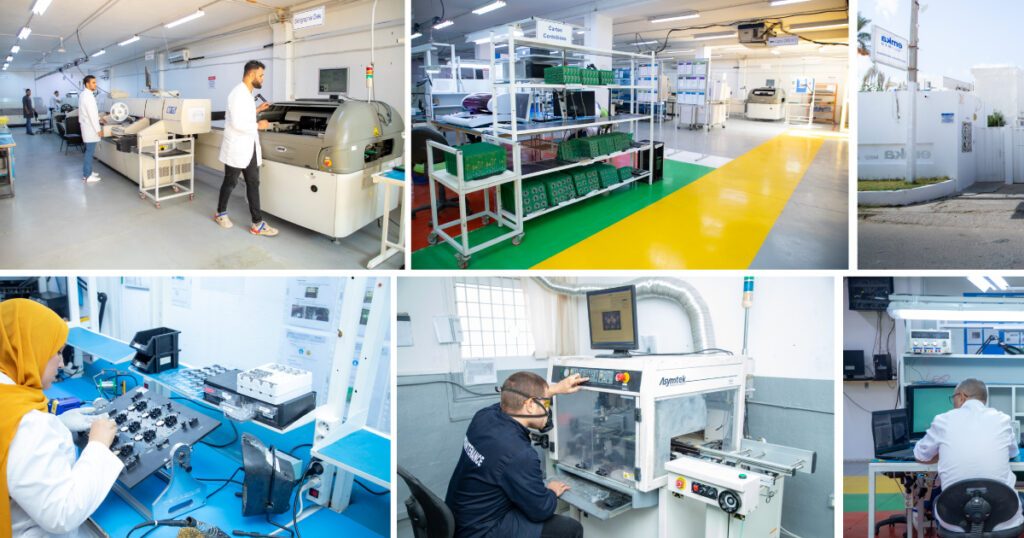
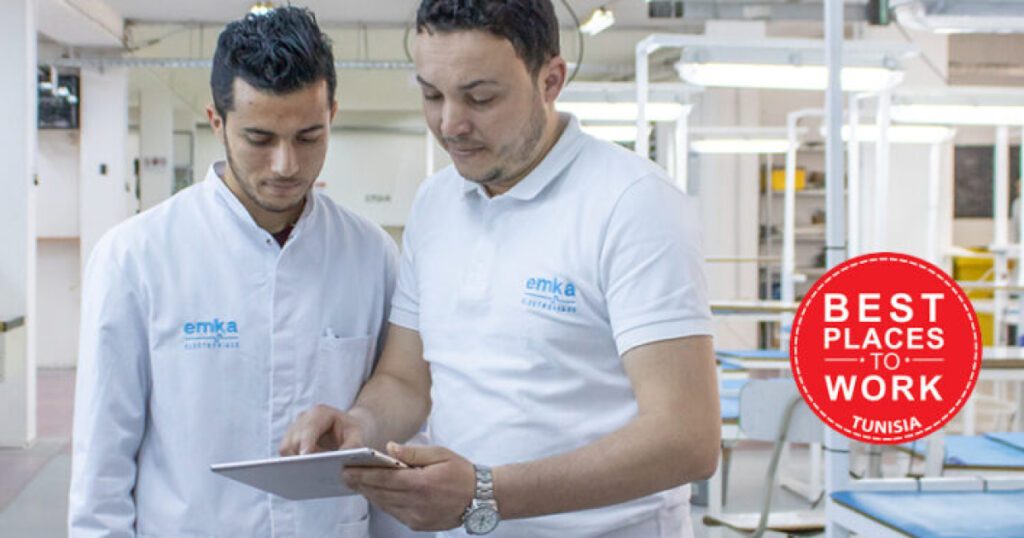
Convinced of Tunisia’s industrial potential, the French group Emka Electronique invested in Emka Med in 2006 — a company that combines the strengths of a Tunisian business with the advantages (particularly in supply chain management and Design Office expertise) of a high-performing French company.